Timeless Elegance: Using Vintage Damask Patterns in Modern Design
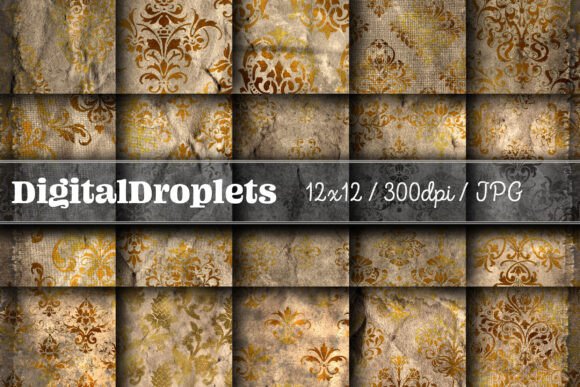
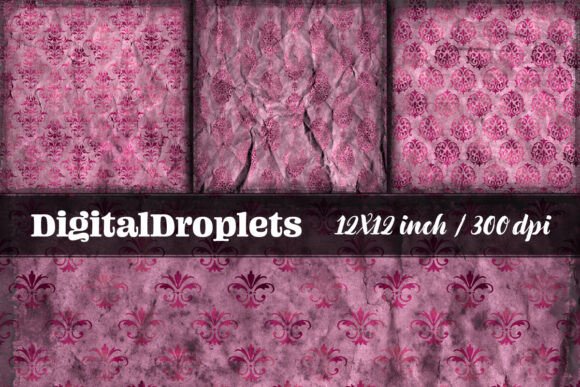
Infusing a project with the intricate elegance of historical patterns can instantly elevate its perceived value and narrative depth. The Vintage Damask Scrapbook Vol. 7 collection offers a sophisticated solution for designers seeking to blend classic ornamentation with contemporary layouts. This curated set of twenty high-resolution 12x12 papers features ornate damask motifs layered over authentic, aged paper textures, complete with a distinctive shuffled border effect. For professionals in graphic design and visual communication, these assets provide a foundational element for creating rich, textured compositions that resonate with a sense of heritage and craftsmanship.
The Strategic Value of Ornamental Textures in Branding
In a digital landscape often dominated by flat design and minimalism, the strategic use of vintage textures like those in the Vintage Damask Scrapbook Vol. 7 set can create powerful visual differentiation. These patterns are not merely decorative; they communicate specific brand attributes such as tradition, luxury, authenticity, and attention to detail. When integrated into a brand identity system, a damask pattern can serve as a sophisticated background for business cards, letterheads, and packaging, instantly conveying a premium aesthetic. The key is to use these elements with intention, ensuring they support rather than overwhelm the core message and maintain visual hierarchy.
Practical Applications Across Design Disciplines
The versatility of a well-crafted paper set extends far beyond traditional scrapbooking. Designers and creators can leverage these textured backgrounds to enhance a wide array of projects, ensuring a cohesive and polished final product.
- Marketing & Social Media Graphics: Use these papers as textured backgrounds for quote graphics, promotional banners, or Instagram stories to add depth and stop the scroll. The vintage aesthetic pairs exceptionally well with serif typography and muted color palettes for campaigns targeting audiences who appreciate heritage and quality.
- Editorial & Web Design: In editorial layouts or website hero sections, a subtle damask texture can frame key content, guiding the viewer's eye and adding a layer of tactile realism to digital interfaces. This approach is particularly effective for brands in the artisanal, bridal, or luxury goods sectors.
- Packaging & Merchandise: Apply these patterns to product labels, box inserts, or shopping bags to create an unboxing experience that feels curated and special. The texture suggests quality and care, enhancing the perceived value of the physical product.
- Digital Products & Presentations: Elevate e-books, workbooks, or keynote presentations by using these papers as slide backgrounds or section dividers. They provide visual interest without sacrificing readability, especially when paired with clean, sans-serif fonts for body text.
Tips for Effective Integration and Workflow
To maximize the impact of assets like the Vintage Damask Scrapbook Vol. 7, consider these design principles:
- Maintain Visual Balance: Since damask patterns are inherently detailed, pair them with ample white space and simple, legible typography. This contrast ensures your message remains clear and the design feels balanced, not cluttered.
- Consider Scalability and Resolution: The 300dpi, 12x12 format of these papers ensures they are print-ready and scalable for various applications, from small tags to large wall art. Always check the resolution when scaling to maintain quality.
- Build a Cohesive System: Use the set's consistent style to create a unified look across multiple touchpoints. For instance, the same pattern could subtly appear on a website background, a social media profile banner, and a thank-you card, reinforcing brand recognition.
- Explore Color Adjustments: While the original textures are beautifully aged, don't hesitate to apply color overlays or adjustments in your design software to match a specific brand color palette, creating a truly custom asset.
Ultimately, the thoughtful selection of creative assets is a critical component of effective design workflow. Resources like this vintage paper collection provide a professional foundation that saves time while offering immense creative flexibility. By choosing high-quality, versatile elements, designers can focus on composition and storytelling, ensuring their work achieves both aesthetic appeal and clear, impactful communication.